
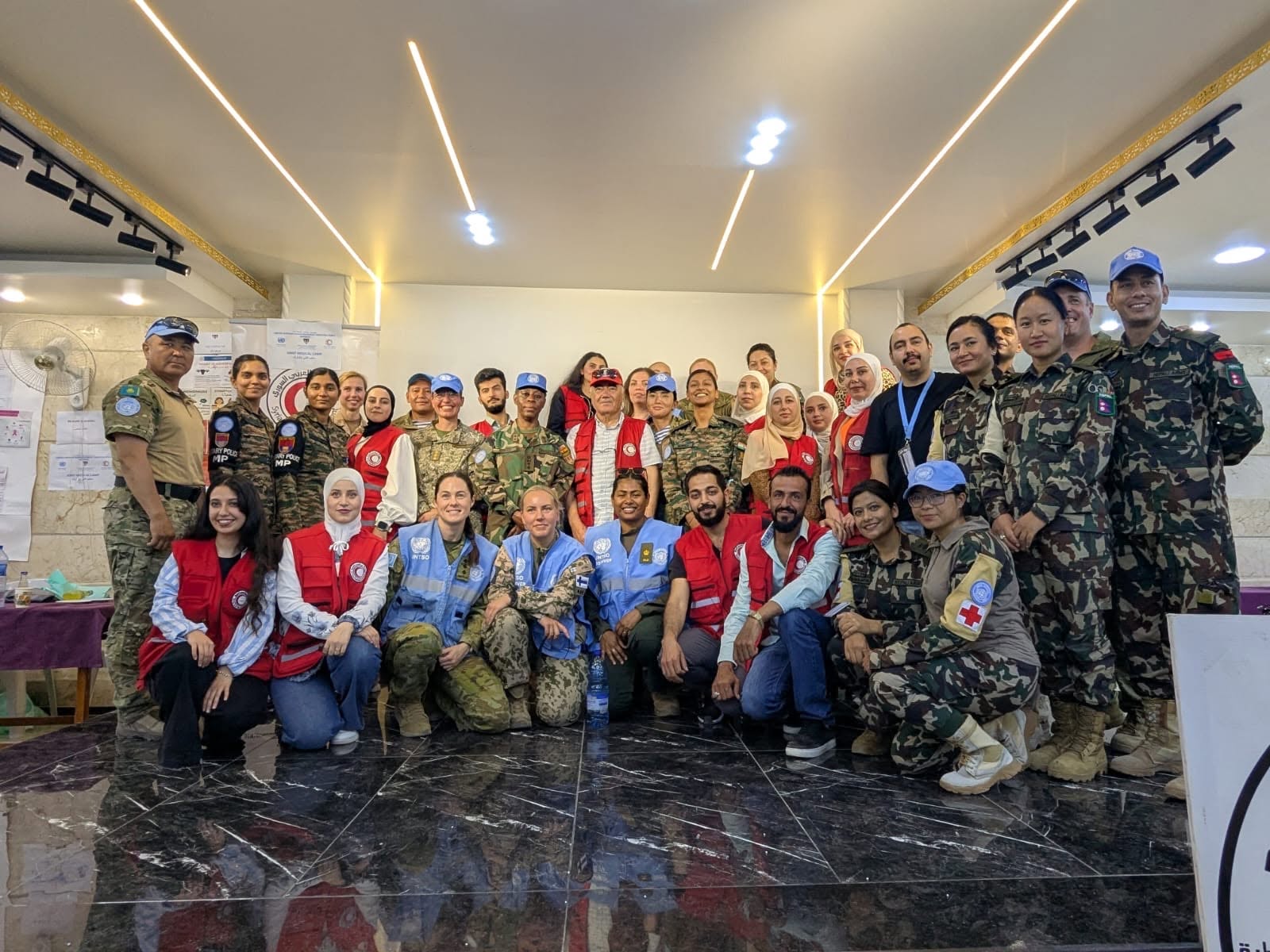
UNDOF, in cooperation with the Syrian Arab Red Crescent, conducted a joint medical clinic in Khan Arnabah, delivering essential healthcare services to the local community. (UNDOF/Social Media)
The UN Security Council unanimously renewed the mandate of the UN
Disengagement Observer Force (UNDOF) for another six months,
reaffirming the mission’s role in monitoring the 1974 Disengagement
Agreement between Syria and Israel in the occupied Golan Heights.
The renewal comes as tensions persist along the ceasefire
line, with Syrian officials calling for an end to what they describe
as continued Israeli violations of the agreement and renewed
international support for the UN mission.
UNDOF, established following the 1973 Arab-Israeli war, remains responsible for observing the ceasefire, monitoring the separation of forces and helping reduce the risk of military escalation in one of the region’s most sensitive border areas.
During the Security Council session, Syria’s Permanent Representative to the UN, Ibrahim Olabi, said Damascus remains committed to the 1974 agreement and supports strengthening the UN mission. “A state that seeks conflict does not demand strict monitoring of the disengagement agreement,” Olabi said, arguing that Syria’s request for increased funding for UNDOF demonstrates its commitment to maintaining the accord.
Damascus Highlights Commitment to Agreement
The mandate renewal follows statements by Israeli Defense Minister Yisrael Katz that Israeli forces would remain in what he described as “security zones” in Syria, Lebanon and the Gaza Strip because of security considerations. In response, Olabi described the remarks as “worrying,” particularly as they coincide with US mediation efforts between Damascus and Tel Aviv under President Donald Trump.
According to Olabi, reports submitted to the Security Council document continued violations of the 1974 agreement. He said residents of Quneitra and nearby communities continue to face security challenges, including incursions, arrests and restrictions that have affected daily life near the ceasefire line.
Olabi also told the council that Syria is focused on rebuilding state institutions, attracting investment and cooperating with international partners on counterterrorism, regional security and chemical weapons obligations. He said Damascus is fulfilling its international responsibilities and called on Israel to do the same.
Medical Services Reach Rural Communities
Beyond its monitoring duties, UNDOF expanded humanitarian cooperation with Syrian institutions in southern Syria. In coordination with the Syrian Arab Red Crescent (SARC) and the Quneitra Governorate, the mission recently launched a program of mobile medical clinics designed to improve access to health care in underserved communities.
The first clinic is scheduled to open in Umm Batna, with additional sites planned to rotate between towns and villages every two weeks. According to local officials, UNDOF physicians will provide medical consultations while SARC will distribute medications. The initiative aims to extend basic health services to a larger number of residents across Quneitra Governorate.
The medical effort complements broader improvements in the local health sector. Quneitra Health Director Dr. Omar al-Ahmad told Syria TV Golan National Hospital has expanded its services with a blood bank, kidney dialysis machines, a diabetic foot clinic, neonatal incubators and additional anesthetic supplies to serve residents of Quneitra, western Damascus countryside and parts of Daraa.
Supporting Farmers Along the Ceasefire Line
UNDOF has also played a role in helping restore agricultural activity in communities near the ceasefire line. Through coordination with the Quneitra Farmers Union (QFU), the mission facilitated access for farmers whose wheat fields had become difficult to reach due to Israeli attacks.
According to QFU Chairman Abdurahman Khalaf, the union submitted lists of eligible farmers to UNDOF, which then coordinated access and issued identification cards allowing them to enter their land. Farmers have since begun harvesting under the observation and protection of UNDOF personnel.
Local officials said the initiative followed requests from residents seeking safe access to farmland after repeated complaints of harassment and restrictions by Israeli occupation forces. According to community representatives, UNDOF personnel, including members of its Uruguayan contingent, continue to monitor harvesting activities to help ensure the work proceeds safely.
As the Security Council extends the peacekeeping mission’s mandate, UNDOF continues to serve both its longstanding security role and a growing range of humanitarian and civilian coordination efforts supporting communities under threat of violence along the Syrian-Israeli border.