

Syria’s Minister of Agriculture, Basel Suwaidan, met with Idlib
Governor Muhammad Abdurahman to review the state of the agricultural
sector in the governorate and discuss plans to strengthen crop and
livestock production while improving services for farmers.
Suwaidan said the ministry is continuing work to rehabilitate agricultural units as part of an agricultural census it plans to launch. He added that a package of service and investment projects is already underway to support the sector and improve agricultural production. Abdurahman stressed the need to accelerate compensation for farmers affected by last winter’s severe weather.
He also called for a comprehensive reforestation plan to offset the loss of trees, particularly after an estimated 1.5 million olive trees were cut down or uprooted throughout the conflict. He said restoring tree cover would help strengthen environmental sustainability and support long-term agricultural recovery.
Rebuilding Agricultural Infrastructure
Suwaidan also met with members of the agricultural community at the Idlib Agriculture Directorate to discuss the sector’s condition and the ministry’s plans for its recovery. The minister said the government recognizes the extent of the damage inflicted on Idlib’s agricultural sector during the war, adding that the governorate remains a priority because of its significant agricultural resources, especially its olive production.
He said the ministry is restructuring its departments and agricultural units, reinstating dismissed employees, and rehabilitating infrastructure with support from a World Bank grant. Suwaidan added the ministry is also cooperating with Saudi Arabia to introduce modern agricultural technologies, provide soft loans, encourage partnerships with the private sector and contract farming, and support livestock production through the provision of vaccines and veterinary medicines.
Addressing Persistent Obstacles
Abdurahman identified landmines and damage caused by adverse weather as the sector’s most pressing challenges. The director of agriculture in Idlib presented an overview of current conditions, highlighting damage to olive, fig, and pistachio trees, as well as the continued threat posed by landmines. He said efforts are ongoing to restore agricultural land to production, rehabilitate services, and improve infrastructure. He also noted a noticeable increase in livestock numbers, reflecting gradual progress in the sector’s recovery.
Olive Office Reopens After Rehabilitation
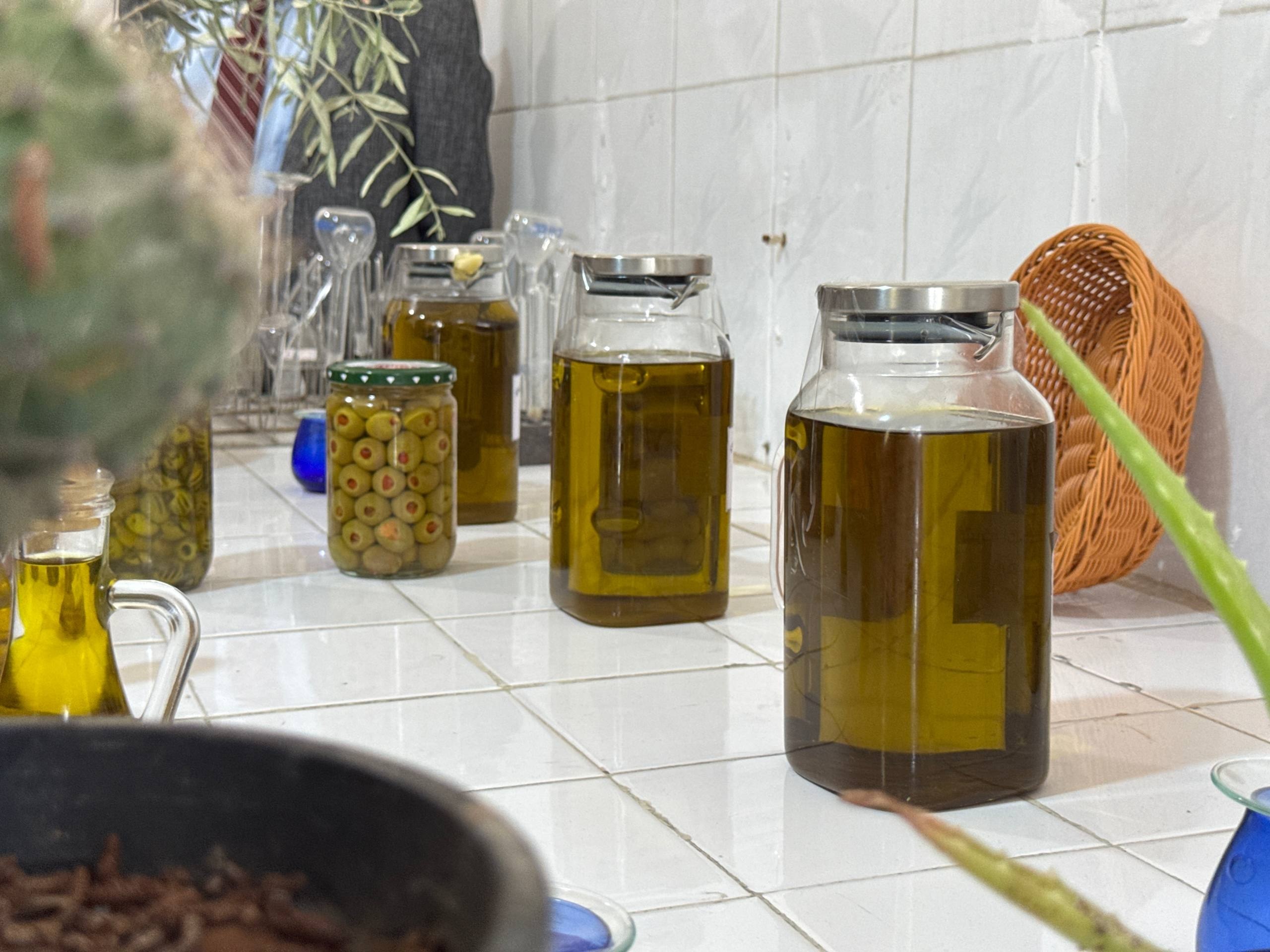
Suwaidan and Abdurahman officially reopened the Olive Office in Idlib following its rehabilitation. During a tour of the facility, they reviewed its departments, technical equipment, and the services it will provide to support olive growers.
Suwaidan said an agreement is expected to be signed soon with the Ciam Bari organization to rehabilitate the olive laboratory attached to the office at a cost of 5 million euros. He said the project is significant because of the office’s role in supporting the olive sector in Idlib, one of Syria’s leading olive-producing regions.
The minister also reaffirmed the ministry’s efforts to rejoin the International Olive Council, saying membership would strengthen the international presence of Syria’s olive sector, improve production quality, and expand marketing and export opportunities.