

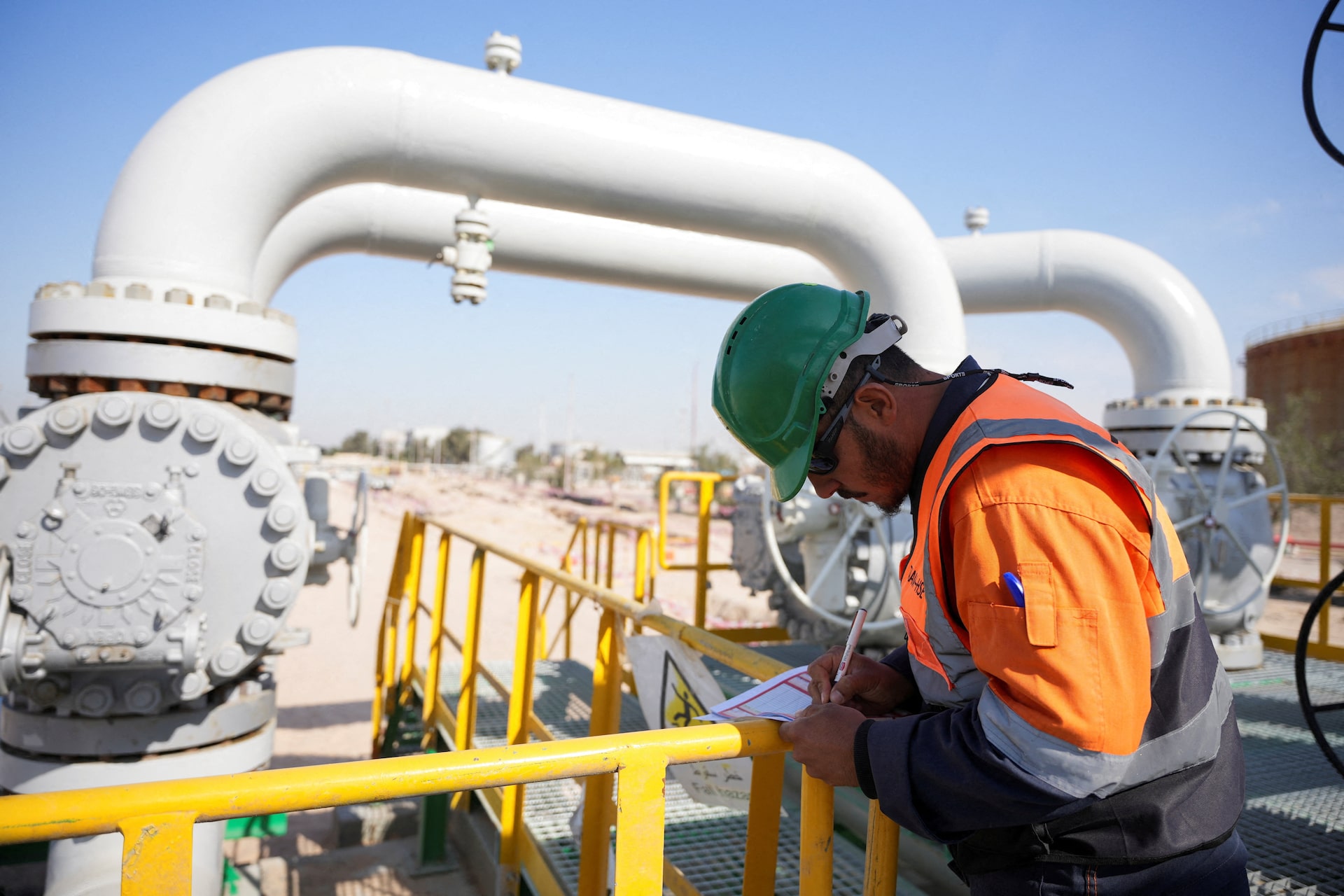
The US, Iraq and Syria are preparing to announce an agreement
reviving the historic Kirkuk-Baniyas oil pipeline, a project that
could reshape regional energy exports by providing Iraq with an
alternative
route to the Mediterranean and reducing its reliance on the
Strait of Hormuz.
According to senior Iraqi and regional officials, the agreement is expected to be announced next week during Iraqi Prime Minister Ali al-Zaidi’s visit to Washington, where he is scheduled to meet with US President Donald Trump. The visit is also expected to include a stop in Texas, the center of the US energy industry.
US Ambassador to Turkey and special envoy for Syria and Iraq Tom Barrack has reportedly played a central role in finalizing the proposal. A senior Iraqi official told the Middle East Eye (MEE) Barrack built a strong working relationship with Zaidi and hopes the pipeline will become “a model for business projects in the Levant” that benefits both the US and regional governments.
Restoring a Key Energy Route
The Kirkuk-Baniyas pipeline was completed in 1952 by the Iraq Petroleum Company with a capacity of about 300,000 barrels per day. It was shut down during the Iran-Iraq War after Syria sided with Iran and later suffered extensive damage following the 2003 US-led invasion of Iraq.
Officials said the infrastructure now requires major reconstruction, including new storage tanks, pumping stations and electrical systems. One senior regional official said the existing pipeline will most likely need to be replaced entirely, with construction expected to take between two and three years. A consortium of US companies has reportedly already been assembled to carry out the project, highlighting Washington’s commitment to its completion.
Hormuz Concerns Drive Momentum
The project has gained renewed urgency following increased instability in the Strait of Hormuz, through which Iraq exports about 95% of its crude oil. During the recent conflict, Baghdad transported limited quantities of oil by tanker truck through Syria, underscoring the need for a permanent alternative export route.
“Iraq has started to see Syria in a different light,” independent Middle East analyst Sarhang Hamasaeed told MEE. “Prior to the war, it was skepticism. The reality of the war made it clear that Iraq needs Syria.”
Recent data from energy analytics firm Vortexa highlighted Iraq’s vulnerability, showing the country’s seaborne oil exports in May fell to just 8% of last year’s average, even though oil revenues account for nearly 90% of the national budget.
Regional Relations Support the Project
The pipeline proposal also reflects broader geopolitical developments. Relations between Baghdad and Damascus have improved since President Ahmad al-Sharaa assumed power in Syria, despite continued concerns among Iraqi political factions with close ties to Iran.
Syrian Foreign Minister Asaad al-Shaibani is expected to attend the signing ceremony in Washington. Meanwhile, the Trump administration has eased several sanctions on Syria and announced plans to remove the country from the US list of state sponsors of terrorism, a move expected to facilitate American investment.
Earlier this month, Iraq approved preliminary agreements involving the US companies Capital TI and Chevron, along with a Qatari partner, to explore additional pipeline links from Kirkuk and Haditha to Baniyas. Together, the initiatives reflect a broader effort to strengthen regional energy security while expanding commercial and strategic connections across the Levant.