

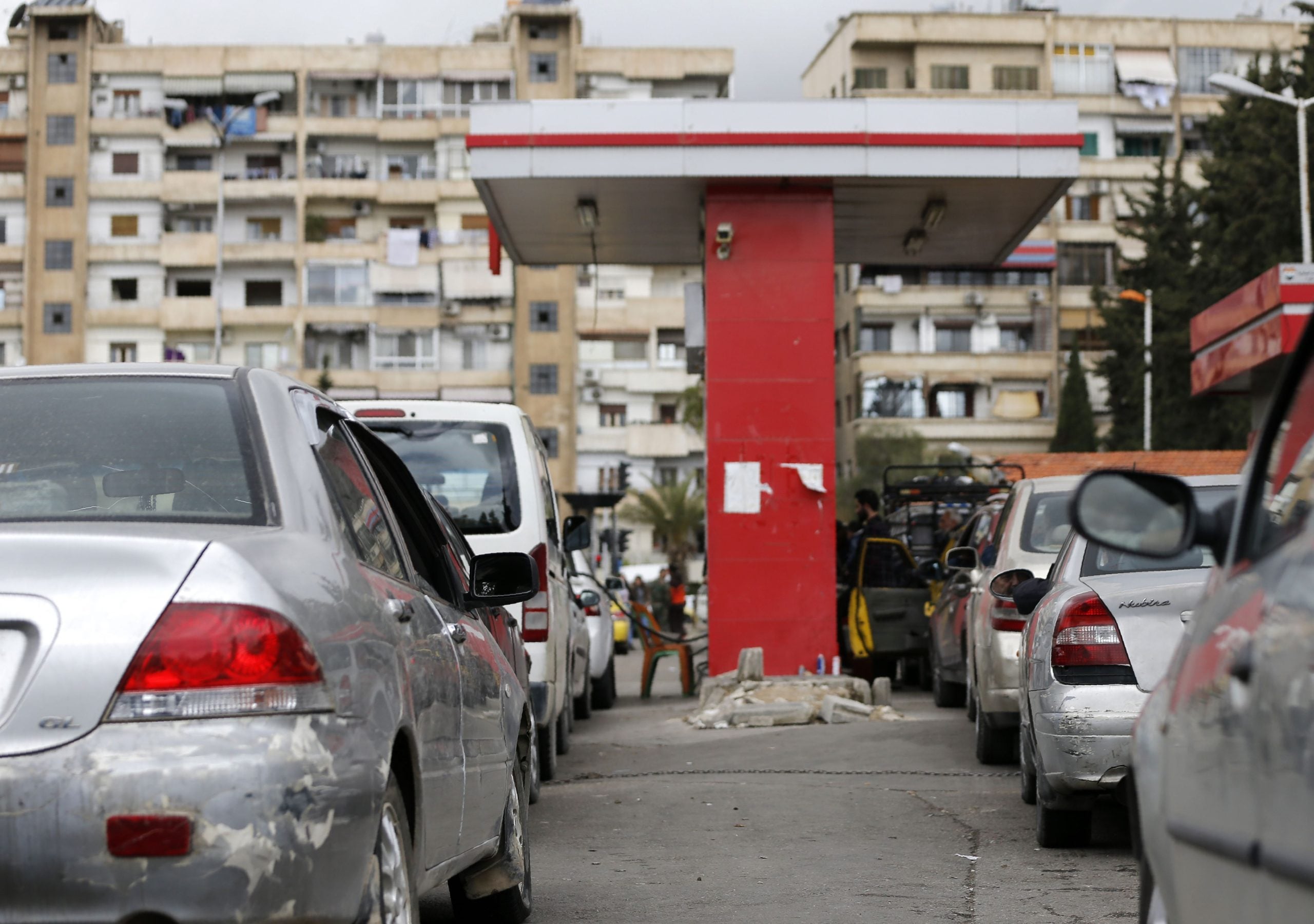
The Ministry of Energy issued a statement July 4, addressing recent congestion at gas stations in Damascus and several other provinces, saying conditions are gradually improving and moving toward full stability.
The ministry said it is working closely with companies and institutions across the fuel sector to address overcrowding that has affected some stations, particularly in Damascus and other areas over the past several days. The congestion caused significant disruption for residents.
While acknowledging the inconvenience, the ministry expressed regret for the difficulties experienced by the public and emphasized that gasoline supplies continue at their normal pace and that fuel reserves remain sufficient.
It attributed the recent bottlenecks to a sharp increase in demand over a short period, combined with delays by some stations in collecting their allocated quotas and heavy pressure on supply requests which slowed loading operations at storage depots.
Distribution Efforts Expand Across Provinces
As part of its response, the ministry said fuel-sector companies and institutions are implementing a continuous distribution plan to increase supplies across all provinces. Over 1.57 million liters of gasoline were shipped to Damascus and Homs July 4, a measure expected to accelerate station replenishment and gradually ease congestion.
The ministry added relevant entities continue to receive and unload incoming shipments while supplying stations according to approved operational plans. At the same time, field monitoring has intensified to maintain supply stability while restoring normal operations at all stations as quickly as possible. The ministry said ensuring uninterrupted service for citizens remains a top priority.
Long-Term Improvements Planned
The ministry also reaffirmed its commitment to strengthening fuel distribution system through broader reforms. It said modernizing the distribution network and automating inventory management at fuel stations are among the key initiatives included in the energy sector’s comprehensive reform plan.
According to the ministry, these upgrades are intended to improve the efficiency of fuel supply and distribution while reducing the likelihood of similar disruptions in the future, particularly during periods of price adjustments.
The ministry said it will continue field monitoring in coordination with fuel-sector stakeholders until all stations return to normal operations. It urged the public to rely on official sources for accurate information, reiterating that gasoline supplies remain steady and conditions continue to improve.
The statement follows a previous ministry announcement issued June 30, denying any shortage of petroleum products and attributed station crowding to temporary supply bottlenecks. At that time, the ministry said strategic fuel reserves were sufficient and that storage, transportation and distribution operations were continuing normally to restore regular fuel flows as quickly as possible.